The 2026 FIFA World Cup in North America Kicks Off
Julian LattimoreAs the 2026 FIFA World Cup begins across North America, workers, fans, and local governments confront rising costs, labor struggles, and FIFA’s controversial policies.
The 2026 World Cup kicked off in Mexico this week and will continue this weekend around the United States and Canada. The international governing body of football, FIFA (Fédération Internationale de Football Association), has come under intense scrutiny from fans and observers for a number of controversial policies in the rollout. Most recently, FIFA reportedly dumped almost 200,000 previously withheld seats directly onto the secondary market. The organization has also issued policies prohibiting reusable water bottles and has provided no sponsored transportation to stadiums, leaving fans and locals filled with anxiety around navigating matchdays.
Amongst international sporting bodies, FIFA’s reputation is plagued as potentially the most corrupt, inflexible and greedy of the unregulated institutions. The recent backlash has also highlighted a lack of accountability for the fan and local experience for the 2026 World Cup. FIFA has claimed that it is the host city’s responsibility to ensure public transportation and security for fans while collecting the overwhelming share of matchday revenue through ticket, concession, and parking costs. Host cities around the US and Canada have seen similar developments with the host city arrangements, signed, in many cases, by previously governing electeds. The deals largely benefit the international regulatory bodies’ officials and partners at the expense of taxpayers and current day budget makers. The ensuing debates with policy makers, hospitality workers, and FIFA have exposed vulnerabilities and flaws in hosting international sporting events whilst also providing an opportunity for new wins and power shifts for workers and locals seeking to make the World Cup more accessible, affordable, and safe.
In Los Angeles Stadium at Hollywood Park in Inglewood, California (or SoFi Stadium), workers have leveraged the start of the Cup to win a new contract and protections against ICE. UNITE HERE Local 11 announced its willingness to strike in the lead-up to matches kicking off, but announced that they had reached a tentative agreement this week: “The tentative agreement secures massive wage increases, landmark job protections, and groundbreaking privacy rights. Notably, it includes an explicit right to strike if ICE or Border Patrol activity at the worksite threatens worker safety.” Similar willingness to strike was also announced by UNITE HERE Local 8, representing hotel workers in the Pacific North West, with hotel workers bargaining for similar protections, including like those in Los Angeles, withholding the right to strike if worker safety is threatened by federal immigration enforcement. Citing progress in negotiations and alluding to potential concessions won, UNITE HERE LOCAL 274 in Philadelphia postponed strikes in advance of the June 12th deadline for their hotel, room attendants, cooks, servers, bartenders, dishwashers, and banquet staff.
The magnitude of the tournament returning to the United States for the first time in 32 years represents an opportunity for workers essential for matchday and hospitality workers with expiring or lapsed contracts to bargain for unprecedented wins. Media coverage around ticket prices and hotel block cancellations from FIFA increases pressure in addition to the time-pressure of the start of the tournaments, highlighting the strategic importance of timing and climate in negotiations with management, even if FIFA claims they are not directly involved. The tournament, like many international sporting tournaments, is touted by the governing body and partnering political leaders as a unique, one-in-a-lifetime, business and revenue opportunity. A host country can tout increased tourism and quarterly and annual revenue projections with its arrival. The allure of “creating new jobs” and infrastructure projects also comes with international sporting competitions, but the 2026 World Cup has seen the mask slip, exposing how much of the costs are borne by local taxpayers while FIFA and partnering corporate entities rake in the majority of the resulting revenue.
To offset the taxpayer costs, city and state governments in the US and Canada purchased tickets directly from FIFA for resale to reduce the financial burden on hosting the tournament. In Toronto and Vancouver, where matches will be played at Toronto Stadium (BMO Field) and BC Place, Vancouver Stadium (BC Place), city governments are selling packages to corporations and donors. Media coverage around record-high average ticket prices serves as marketing, but recent coverage around the collapse of FIFA’s ticketing release scheme and ticket prices brings into question how profitable the scheme might be. In New York and New Jersey, the city and state governments respectively have released limited numbers of tickets available through lottery or targeted groups. New York Mayor Zohran Mamdani announced $50 tickets for 1,000 NYC residents with free round-trip bus tickets to and from the stadium. New Jersey countered by offering free tickets to 770 residents who belong to specific community groups highlighted by the state. This comes as ticket prices have plummeted from initial release price points, and fears of empty stadiums came to fruition in Mexico’s opening day.
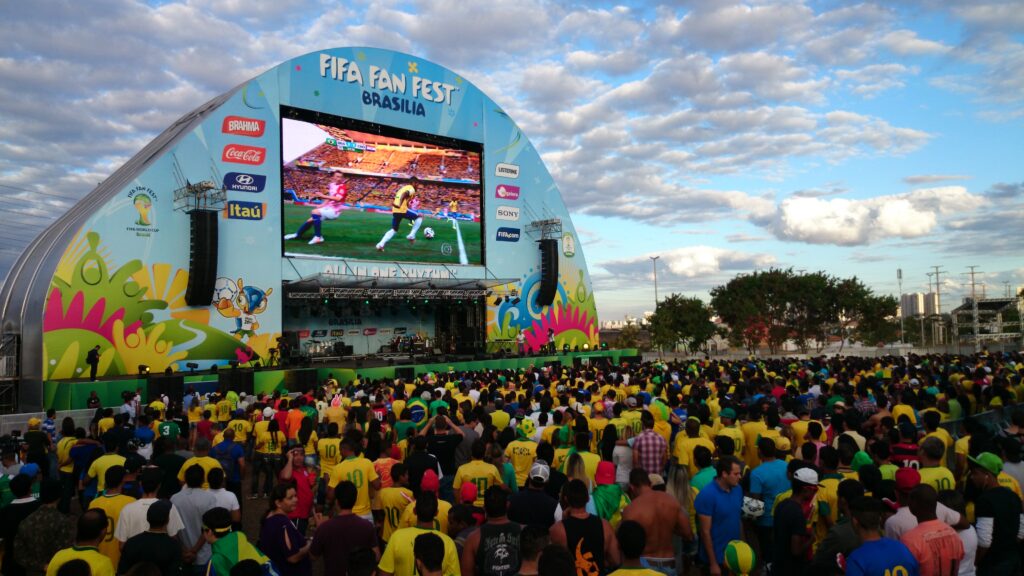
For fans unlucky enough to score a city or state ticket, and unwilling or unable to pay record prices, FIFA and host cities are also offering official Fanfests. These fanzones offer large festival-like viewing experiences: “fans will gather for live match broadcasts on large-scale video boards, immersive fan activations, and daily entertainment.” Many of these Fanfests are free to enter but require pre-reserved tickets, which are appearing on the secondary market for the price of the match tickets offered by the NYC lottery. The Fanfests’ appeal is simple: the next closest thing to being in the stadium. Attendees can reasonably expect to hold a ticket, not bring in outside food or drink, experience fans and free entertainment/performances, and watch the match. Early concession prices look to be similar to stadiums, and many matches are viewed in standing-only areas, although in some locations, seated tickets are still available for a price closer to the “get-in price” at a host stadium.
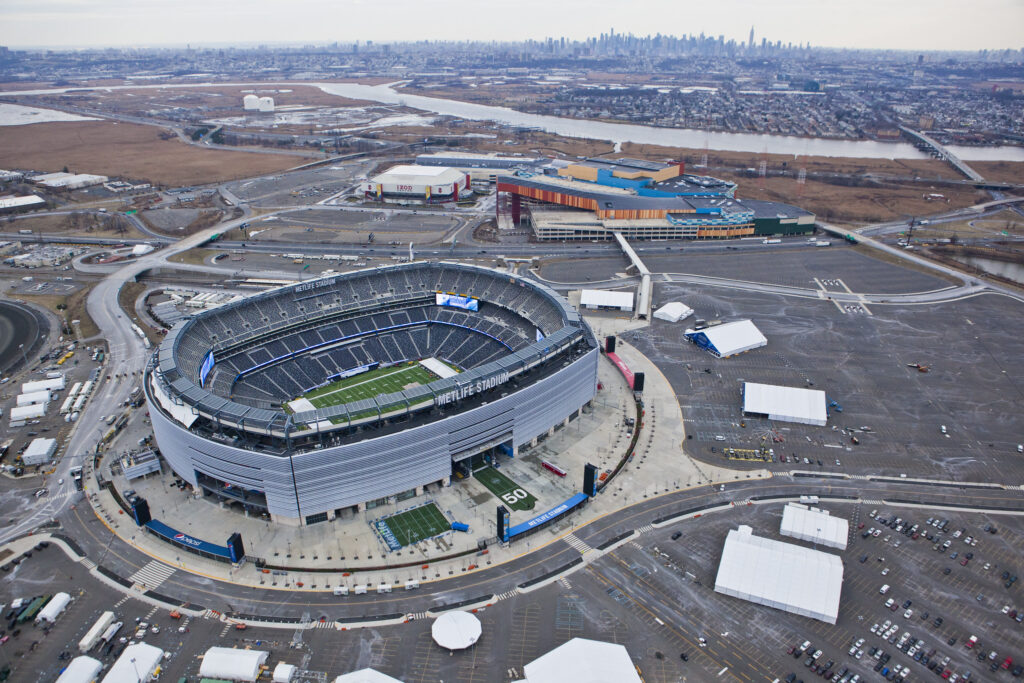
Fans in Boston traveling to the Boston Stadium in Foxborough, Massachusetts (Gillette Stadium), can expect to pay $80 for a round trip on matchday. Although the stadium size hasn’t increased from an NFL Sunday where fans travel to watch the New England Patriots, the price has ballooned 400% from the $20 round trip. An NJ Transit train ticket from New York Penn Station to MetLife (renamed New York/New Jersey Stadium per FIFA regulations) costs $12.90 on non-matchdays throughout the summer. The same trip will cost ticketholders $105 on matchday throughout the 2026 World Cup. This is down from the initial price offering of $150, thanks in part to a partnership that NJ transit announced with the delivery app Doordash to adorn the trains with their branding. Many of America’s public transportation authorities face budget shortfalls and degrading infrastructure. Increasing the matchday price for ticketholders is seen by officials as an additional opportunity to recoup costs associated with operating and matchday security. The small town of Foxborough successfully took FIFA to task, publicly, over security funding and withheld the necessary licensing to play in the “Boston Stadium” until it was received, again through private partnership.
FIFA is also offering fans an opportunity to own a commemorative edition FIFA 2026 World Cup jersey for $375 – the price of a secondary market, last-minute match ticket. The limited-edition shirts are city-specific and meant to commemorate the host cities with an artistic expression of local iconography. There is no partner branding or local manufacturing on these, and they can only be purchased directly from FIFA or on the secondary market. New York City is offering a locally sourced $50 alternative official limited edition version that had locals lined up for its release. The jerseys were handmade in Bedford-Stuyvesant, Brooklyn, and are available in three colors, offered at the official NYC City store on a first-come-first-serve basis offering an alternative public-private cooperative model based around locality, authenticity, and affordability. Offering an alternative to the official FIFA iteration of anything seems to be a political-cultural win for football fans or locals wanting to engage with a World Cup insistent on trying to price them out. RLS-NYC will take a deeper look into FIFA, the fans, players, and refereeing officials who are being kept out of the game entirely, because of visa and immigration restrictions, with Eleven Named People throughout the tournament.
Julian Lattimore is a project manager at RLS–NYC, focusing on labor, racial justice, and housing rights.
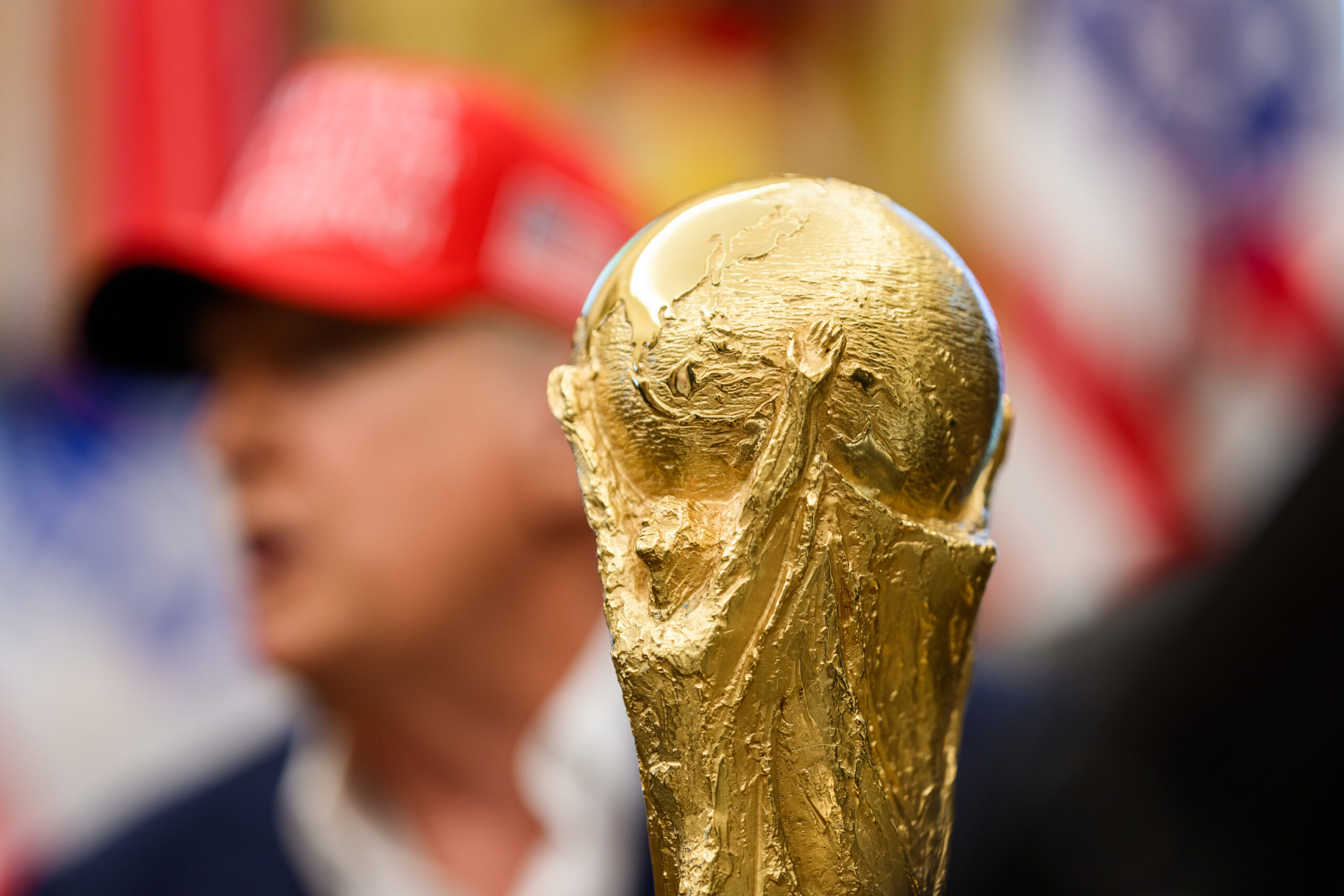
Top photo: The World Cup Trophy in the White House Oval Office. Official White House Photo by Daniel Torok